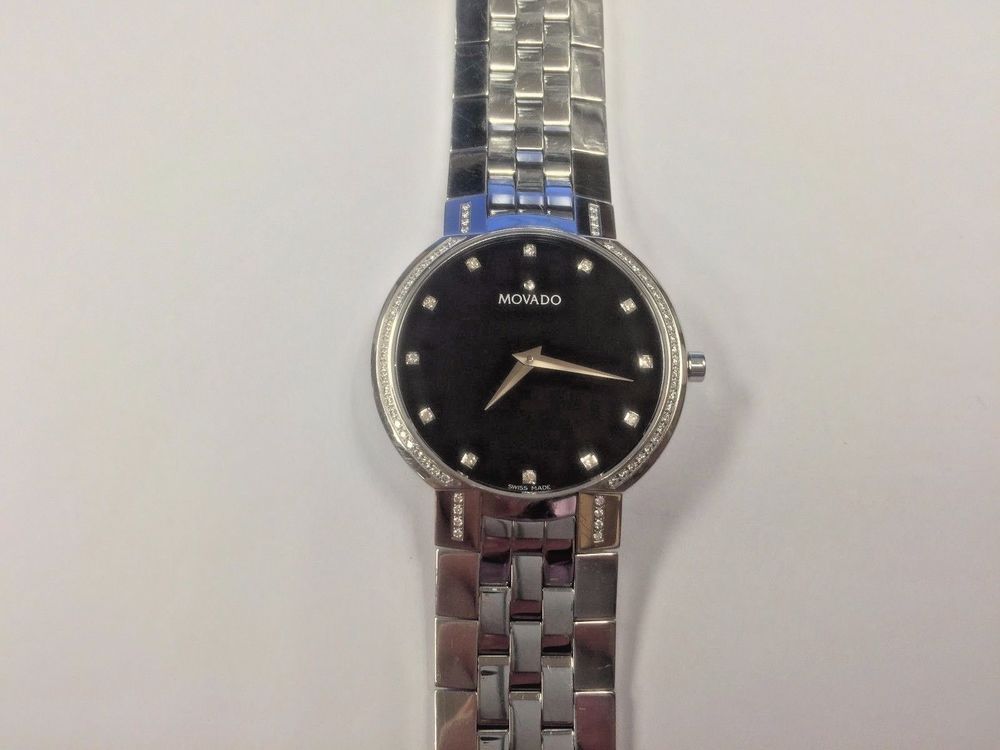
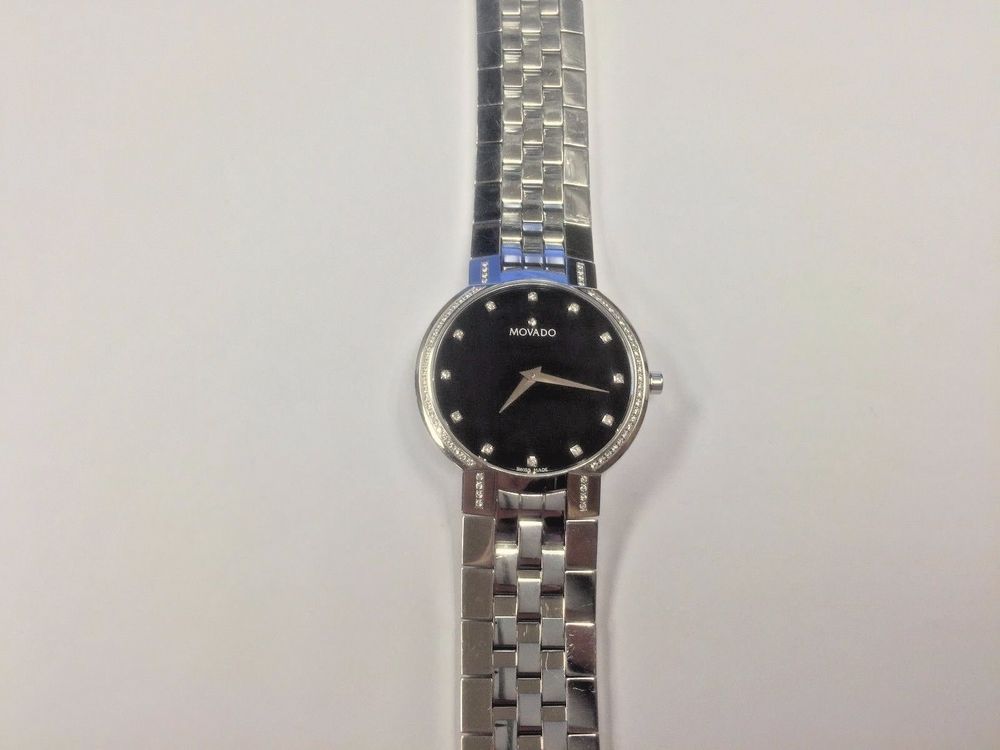
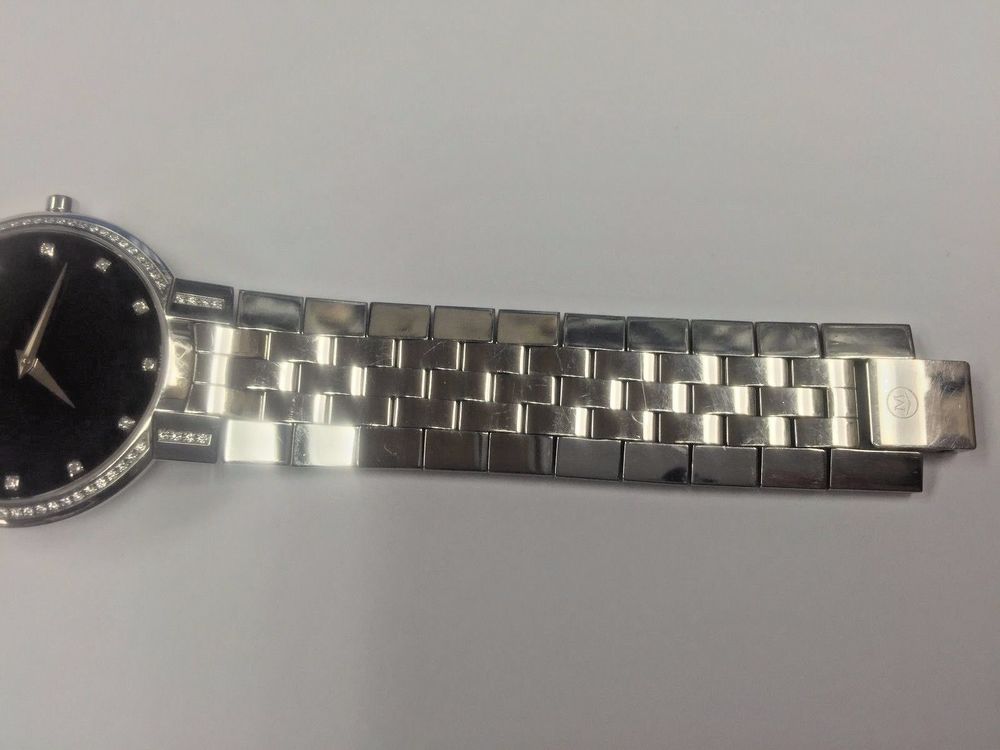
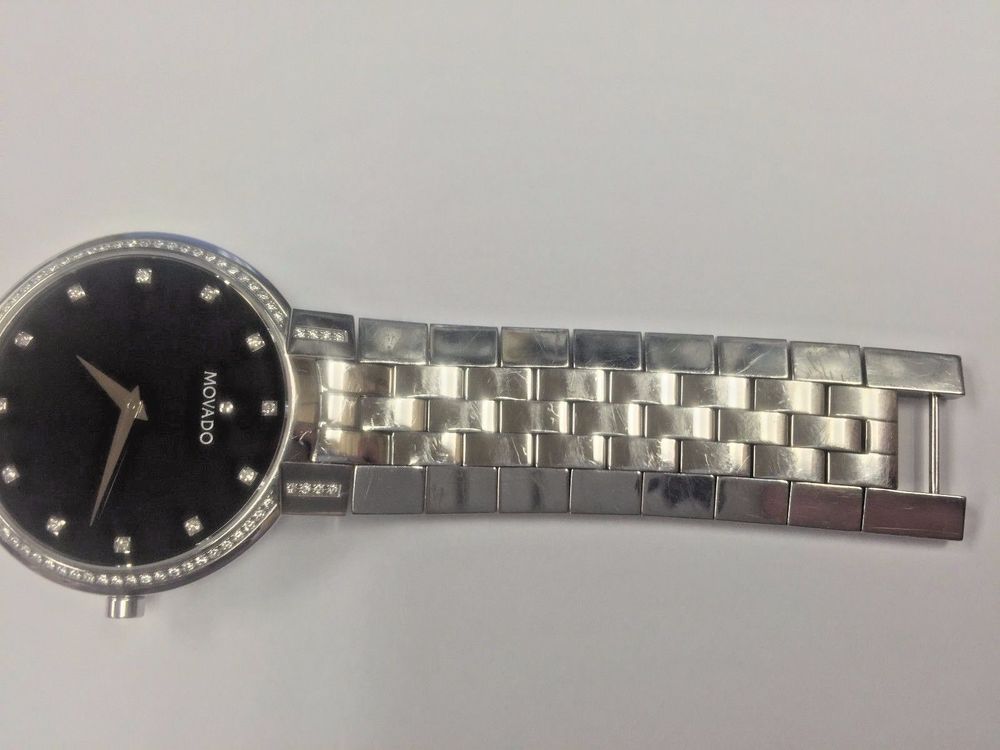
MOVADO Faceto 84 45 1891S Diamond Dial Museum Stainless Steel Men`s Watch
$259.00
Product code: 84 45 1891S
Availability: In stock
Quick Overview:
MOVADO Faceto 84 45 1891S Diamond Dial Museum Stainless Steel Men`s Watch replica watches are High Quality Replica Watches, real and can not say precisely, but you can create very tricky to tell the difference. Watch is that the withdrawal of a man taste decorations, every man should have any decent watch, gestures filling the low-key gentleman with fine taste. Speed here picked several high excellent replica Movado 84 45 1891S watches, wear them, with the style clothing, I believe that captured the hearts of a large set of lovely ladies, dating beautiful women and becomes quite simple.


Details
Condition:Pre-owned: An item that has been used or worn previously. See the seller's listing for full details and description of any imperfections.See all condition definitions opens in a new window or tab about the condition
Gender:Men's
Case Size:35mm
Display:Analog
Case Color:Silver
Brand: Movado
Band Material:Stainless Steel
MPN: 84 45 1891S
Band Color:Silver
Movement:Quartz (Battery)
Case Material:Stainless Steel
Watch Shape:Round
Face Color:Black
Features:12-Hour Dial
Model: Movado Museum Case Finish:Polished
Age Group:Adult
Style:Casual
Country/Region of Manufacture:Switzerland
UPC: Does not apply
 [Rating:(
 Hi there. I'm new to WTF and also to the Muhle Glashutte brand. I recently bought a Cockpit Chronometer LE. It's a nifty little watch, about 40 mm in diameter, internal rotating bezel (see upper crown), and COSC certification. I bought mine 2nd hand and it came without box or papers. I'm trying to find out more about this limited edition, which was limited to 500 pieces. Does anybody out there have one of these? I'd be interested to know if it came with a COSC certificate, what the box loo
 One thing is for certain, the first description of the 'modern' mechanical clock can be precisely dated. It was the description of the clock mentioned by the Italian poet Dante Aligheri in his masterpiece Divina Commedia on which he worked and published from 1307 till his death in 1321. He was thrown out of his native Florence in 1307 and spent the rest of his days travelling from city to city in the North of Italy. As he was given temporary refuge only in these cities, time took on such an impo